Depending on "Water-Resistant" Equipment Without Comprehending the Difference
Among the most significant misconceptions in outdoor camping is dealing with water-resistant and water-proof as interchangeable terms. Waterproof equipment can deal with a light drizzle or quick splash, however it will eventually let dampness through under continual rainfall or heavy stress. True waterproof equipment, usually ranked with a hydrostatic head measurement, is developed to hold up against extended direct exposure.
Prior to your next journey, reviewed the labels very carefully. A coat rated at 5,000 mm will stand up in light rain, however a complete rainstorm demands something closer to 20,000 mm or higher. Recognizing the difference can imply the evening in between dry and miserable.
Missing Joint Sealing on Your Camping tent
The majority of campers think that a new camping tent prepares to go straight out of the box. Numerous are not. Also tents marketed as water resistant usually have sewn joints that permit water to leak via needle holes in time. If your tent did not featured factory-taped seams, you require to use seam sealer yourself prior to your very first trip.
Exactly How to Seam Seal Correctly
Establish your outdoor tents up on a dry day, apply joint sealer along every stitched line on the within the rainfly, and allow it cure totally-- normally 24 hr-- prior to packing it away. Doing this when a season is a good routine, especially if the outdoor tents is older or frequently made use of.
Forgetting to Re-Waterproof Old Gear
Waterproofing is not a single solution. The sturdy water repellent (DWR) finishing on jackets, outdoors tents, and loads degrades in time with usage, cleaning, and UV direct exposure. You will know it has subsided when water no more grains up and rolls away yet instead soaks into the fabric, making it heavy and inefficient.
Recovering DWR is easy. camping cot Wash the product, apply a spray-on or wash-in DWR treatment, and afterwards activate it with reduced warm from a tumble clothes dryer or a warm iron on a reduced setting. This step is forgotten far frequently, and it makes a significant distinction in efficiency.
Poor Tent Positioning
Even one of the most expensive water resistant outdoor tents will stop working if lent a hand the wrong place. Camping in a low-lying area, at the base of a slope, or on ground that looks level yet subtly networks water is a dish for flooding. Rain can stream throughout the ground and pool directly underneath your groundsheet before you even observe.
Picking the Right Campground
Constantly look your site before pitching. Seek slightly raised, normally draining ground. Prevent locations with compressed soil or visible water networks. If the ground feels spongy, carry on. A couple of extra minutes invested finding the best place will certainly protect you from hours of discomfort.
Ignoring the Groundsheet
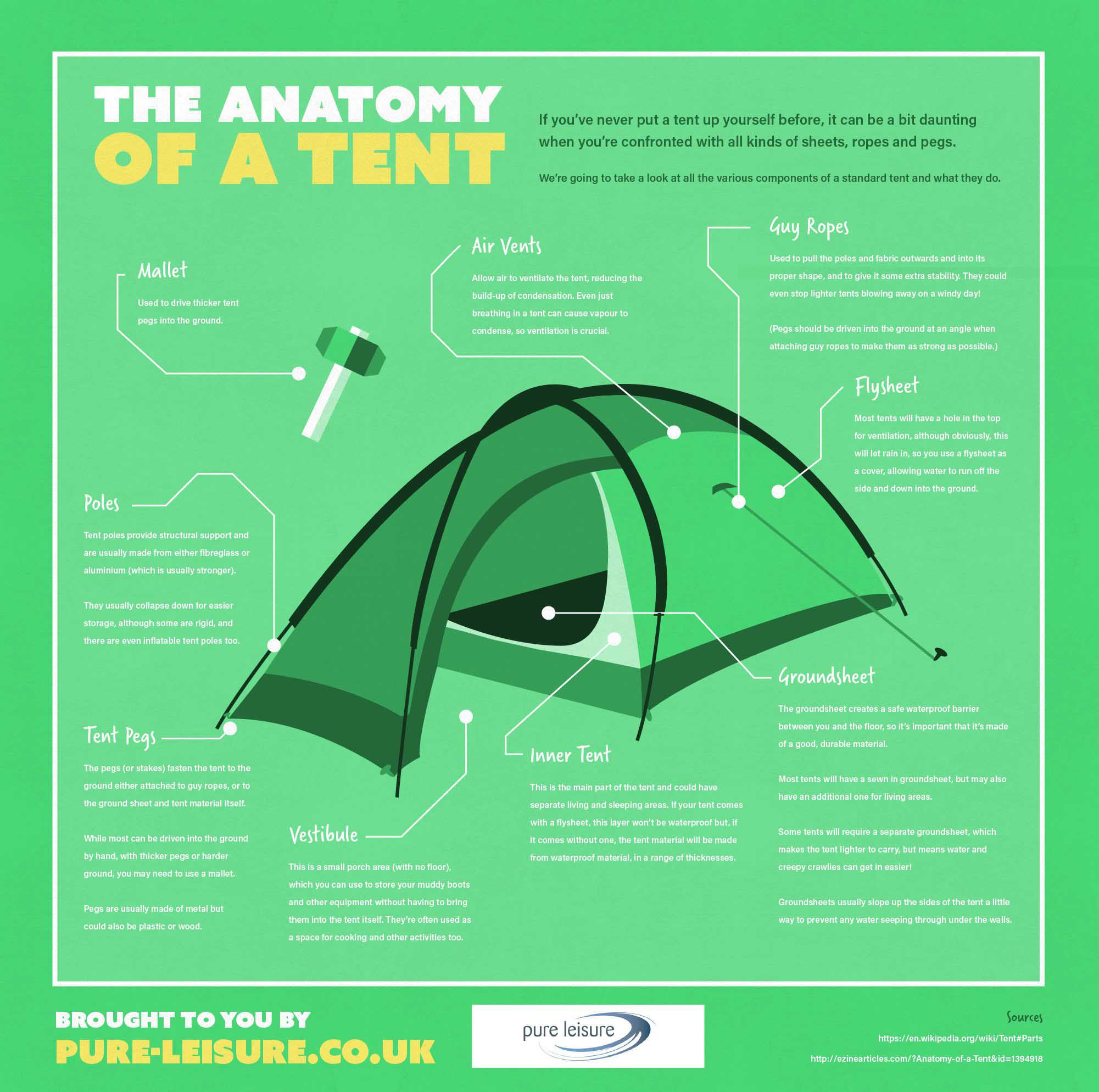
Many campers pay close attention to their rainfly yet totally forget ground wetness. Without an appropriate groundsheet or footprint below your tent, wetness from the soil can wick upwards via the camping tent floor, specifically during colder evenings when condensation develops.
Use an impact created for your tent or a tarpaulin reduced slightly smaller sized than your camping tent's base. This not only obstructs ground wetness but additionally prolongs the life of your tent flooring considerably.
Overpacking Your Dry Bags Without Proper Moving
Dry bags are extremely reliable when utilized correctly, however campers commonly stuff them also complete and fail to roll the top down sufficient times to create a correct seal. A dry bag that is not rolled at the very least 3 to four times and clipped shut is barely much better than a regular bag.
Maintain your most crucial things-- electronics, an emergency treatment set, and extra garments-- in their own completely dry bags rather than threw loosely right into a larger one. Presume that any bag without an appropriate seal will certainly get wet if it rainfalls hard enough.
Overlooking Condensation Inside the Camping tent
Waterproofing keeps rain out, however several campers fail to remember that dampness can develop from the within. Breathing, body heat, and food preparation inside a tent all produce condensation that clings to the interior wall surfaces and eventually trickles. This is frequently incorrect for a leaking camping tent.
Correct ventilation is the option. Open camping tent vents and maintain a small space in the door or home window when weather condition allows. A well-ventilated tent stays drier inside, also during chilly or stormy nights.
Final Thoughts
Great waterproofing is not about getting one of the most expensive equipment-- it has to do with understanding exactly how that equipment works and preserving it appropriately. By avoiding these typical errors, you offer yourself a far much better opportunity of staying dry, comfy, and concentrated on delighting in the outdoors instead of taking care of the aftermath of a soggy camping area.